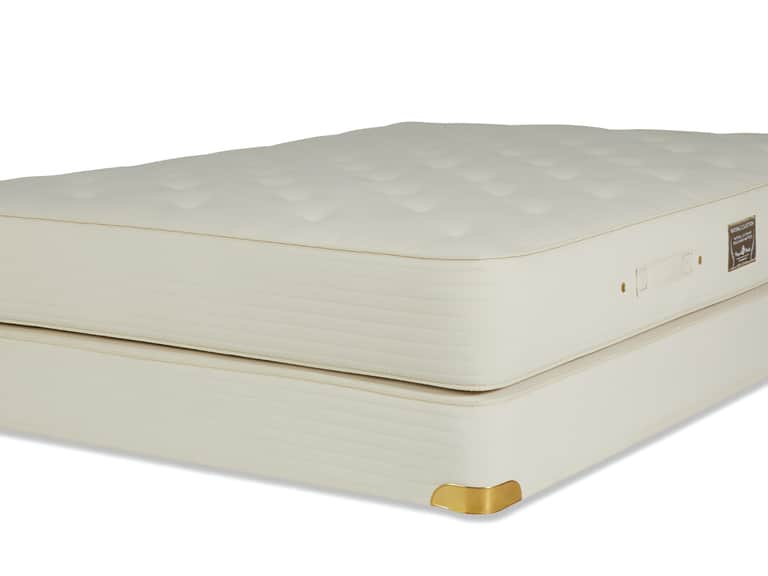
Innerspring mattresses use a network of metal coils to support the body, with comfort layers placed above the spring system. Their construction can provide a responsive feel and familiar support, making them a practical option for many sleep preferences. Understanding coil design, cushioning, and materials helps explain how these mattresses differ.
Coil configuration influences how an innerspring mattress responds to movement and pressure. Some designs use interconnected springs, while others feature individually wrapped coils that move more independently. Padding, fabric covers, and edge construction also affect comfort and stability, so these features are useful points of comparison when assessing mattress suitability.
The Royal-Pedic Natural Cotton Mattress with Wool Wrap combines an innerspring support system with natural cotton and a wool wrap. Cotton forms a breathable cushioning layer, while wool adds resilient padding and can help regulate temperature. These material characteristics distinguish it from mattresses made with predominantly synthetic comfort layers.
An Innerspring Mattress is designed to pair coil-based support with cushioning materials that shape the sleeping surface. Its responsive structure may suit people who prefer a less enveloping feel, and airflow through the spring core can support ventilation. Mattress firmness and comfort still depend on the specific coil and padding design.
When considering bedding, mattress dimensions and construction should be compatible with sheets, pillows, and any mattress pad used for surface protection. Innerspring models are distinct from organic mattresses and organic crib mattresses, which have separate material and intended-use considerations. Reviewing composition, care guidance, and support features helps clarify each category’s purpose.
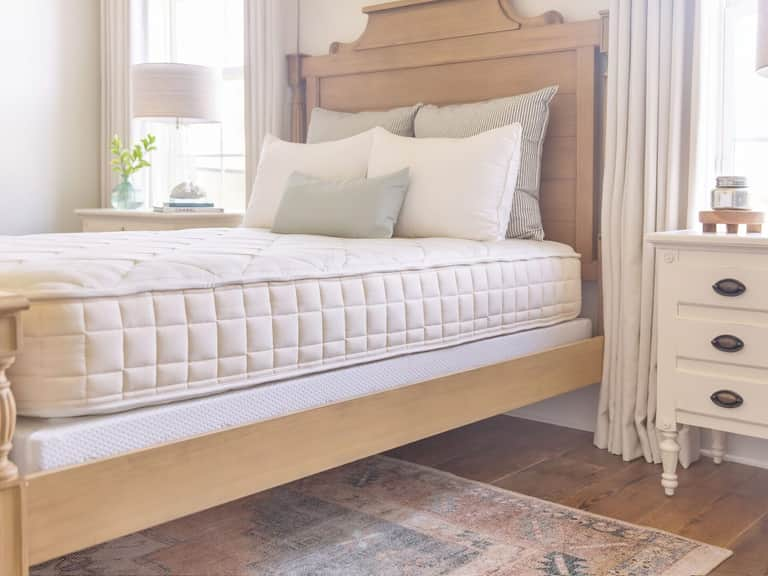 Innerspring Mattresses