Bedding guide
Natural Latex Layers: Care, Lifespan and Bed Compatibility
A natural latex topper can lend a mattress a more yielding, responsive feel, adding a considered layer of comfort without replacing the bed beneath it. The details matter: latex construction, mattress dimensions, ventilation and care instructions all influence how well the layer performs—and how long it retains its shape.
A practical guide to choosing, caring for and pairing a natural latex layer with an organic mattress.
What a natural latex layer can—and cannot—do
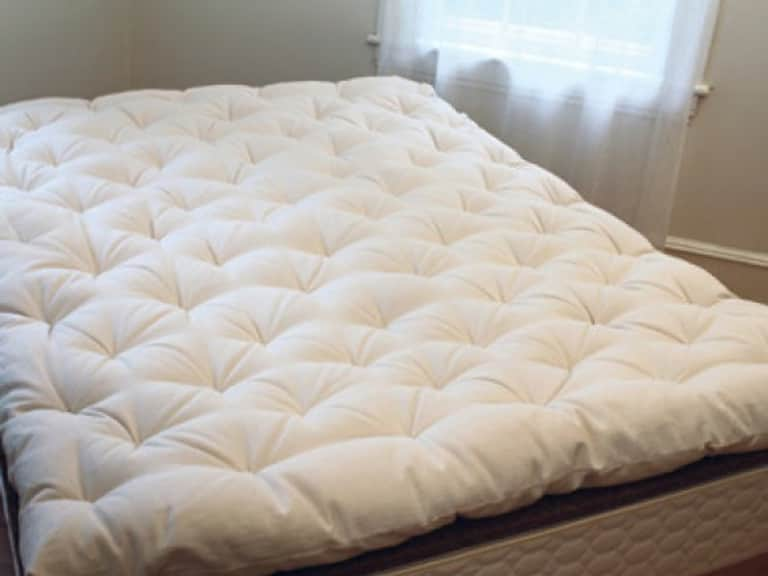
A latex topper is an additional comfort layer placed on top of a mattress, usually beneath a mattress protector and fitted sheet. Its purpose is to adjust the feel of the sleep surface: a thinner layer may soften the first impression of a firm mattress, while a thicker or denser one can make the surface feel more substantial. Latex is often appreciated for its buoyant, responsive character. Rather than sinking slowly around the body in the way some other foams do, it tends to compress under pressure and spring back when that pressure eases.
That response is not a promise of a particular sleep experience. Comfort is personal, and the result depends on the latex formulation, the topper’s thickness and firmness, the sleeper’s preferences, and the mattress underneath. A topper may change surface feel, but it does not repair a sagging or damaged mattress, correct a poor foundation, or transform the underlying construction into a different bed. Think of it as a carefully chosen adjustment, not a cure-all.
“Natural latex” is also a broad description, not a guarantee that every product is identical. Layers can differ in the proportion and source of latex, the way the material is processed, the presence of other components, and whether the layer is enclosed in a cover. Ask for the complete materials description if those distinctions matter to you. Check any certification claim against the product documentation and the scope of the certification, rather than relying on a label alone.
Start with the mattress beneath
Compatibility begins with the mattress, not the topper. Before choosing a natural latex topper for an organic mattress, confirm the exact mattress size and measure its depth. UK bed and mattress sizing can differ from dimensions used in other markets, and a product described by a familiar size name may not match your particular mattress precisely. Compare the topper’s stated dimensions with the mattress itself, paying attention to width and length rather than assuming the label tells the whole story.
Next, inspect the mattress surface. It should be clean, dry, reasonably even and supported according to its manufacturer’s instructions. A topper placed on a mattress with a pronounced dip may follow that dip rather than smooth it away. Likewise, a flexible mattress or an adjustable base may require a layer specifically intended for that use. Check both the mattress and topper guidance before pairing them, especially if either product has a limited warranty or a specific support requirement.
Consider the profile of the finished bed. Adding a topper raises the sleeping surface, which can affect the ease of getting in and out, the appearance of the bed, and whether fitted sheets still have enough depth. A mattress protector or sheet that was a close fit before may become taut, shift, or pull at the corners once an extra layer is introduced. Measure the combined depth and choose bedding with sufficient pocket depth while avoiding a loose, rippled fit.
Finally, reflect on what you want to change. If the mattress feels too firm at the surface, a suitable topper may provide a gentler first contact. If you prefer a springy feel, latex may be worth considering. If the main concern is liquid protection, a comfort topper is not automatically a waterproof protector. Select the right layer for the job and check whether the mattress manufacturer recommends a particular type of cover.
Thickness, firmness and construction
Thickness is one of the most visible specifications, but it is not a stand-alone measure of softness or support. A thin latex layer can make a subtle difference, while a thicker layer may create a more noticeable change. Density, firmness, latex formulation and the mattress’s own comfort layers all contribute to the sensation. Product descriptions are useful starting points, but terms such as “soft” and “medium” are not always standardised between makers.
If possible, read the manufacturer’s guidance on the intended feel and use case. Look for clear specifications: finished dimensions, thickness, firmness description, cover details, material composition and care instructions. If the information is incomplete, ask the seller or manufacturer before buying. This is especially sensible when the mattress is an investment, when the topper is being paired with a specialist organic mattress, or when a return policy has conditions about opening or use.
Some latex layers are sold with a removable cover; others may be uncovered or enclosed in a cover that is not designed to come off. This distinction has practical consequences. A removable cover may make routine cleaning more manageable, but it does not mean the latex core itself is washable. Never assume that a product can be machine washed, soaked, steamed or treated with a particular cleaner unless its instructions explicitly say so.
Latex can be heavy and flexible, and a topper may move if its dimensions, surface friction or bedding fit do not hold it securely. A correctly sized fitted sheet can help keep the layers orderly, but should not be stretched so tightly that it compresses the topper or strains at the seams. Avoid improvised fastening methods that could damage the mattress cover or latex surface.
Ventilation and the sleep environment
Air circulation is part of good bedding care. Moisture from normal use can accumulate in layered bedding, and a thick arrangement that stays compressed for long periods may dry more slowly. Follow the mattress and topper manufacturers’ advice on ventilation, foundation type and handling. If the guidance permits, airing the bed by folding back the duvet and sheets for a short period can help the bedding surface breathe. This is a simple housekeeping habit, not a substitute for cleaning or for resolving dampness in the room.
Allow the bedroom to remain well ventilated and avoid storing a latex topper while it is damp. If the topper has been exposed to moisture, consult the care label and let it dry thoroughly in the manner recommended. Do not use direct high heat or leave the material in intense sunlight unless the maker specifically approves that method. Heat and prolonged exposure to light may be inappropriate for some components, covers or adhesives, so general advice should never override product-specific instructions.
Natural latex is sometimes selected by people seeking a particular material profile, but “natural” does not mean that every user will respond to it in the same way. Anyone with a known latex allergy or sensitivity should consult appropriate medical advice and review the full product composition before bringing latex bedding into the home. A cover may reduce direct contact, but should not be treated as a guarantee of suitability.
A careful routine for latex topper care
Good latex topper care is less about elaborate treatments than about restraint. Begin by reading the care label and keeping the instructions accessible. Care can vary between products, even when both are described as natural latex. Covers, quilting, backing fabrics and construction methods may have different requirements, so instructions for one topper are not a reliable guide to another.
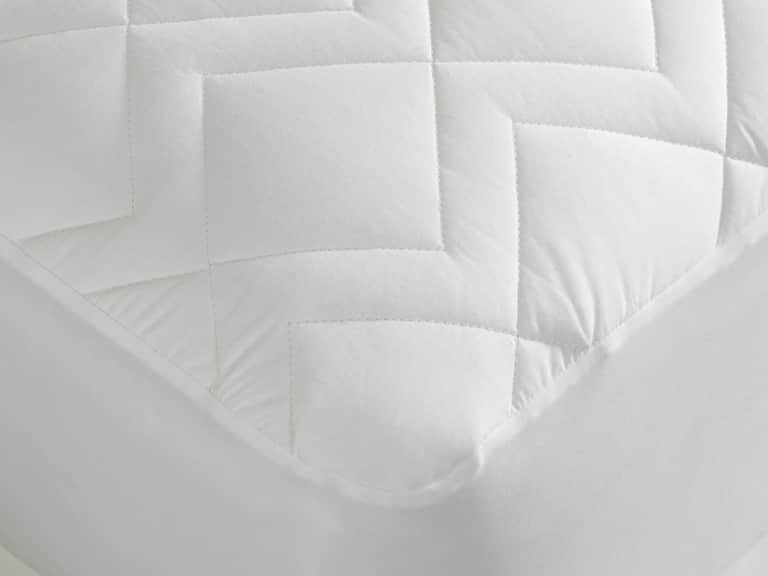
- Protect the layer: Use a suitable mattress protector or topper cover if the manufacturer permits it. Choose one that fits smoothly and does not interfere with the intended feel.
- Keep liquids away: A latex topper is not necessarily waterproof. If spills are a concern, select a compatible protective layer and follow the care guidance for each component.
- Clean only as directed: Do not machine wash, soak or saturate the latex core unless the maker explicitly says that it is safe. Avoid bleach, harsh solvents and unapproved stain treatments.
- Dry thoroughly: After any permitted spot treatment, allow the material to dry fully as instructed before remaking the bed. Do not trap dampness between layers.
- Handle with care: Follow the maker’s recommendations for lifting, turning or moving the topper. Avoid pulling sharply at corners or bending it in a way that could strain the material.
- Check bedding fit: Inspect sheets and protectors occasionally for bunching or tension. A smooth, secure fit helps maintain a comfortable surface.
For everyday housekeeping, remove bedding gently and inspect the surface for visible debris or moisture. If the cover is removable and labelled washable, launder it exactly as directed, including temperature, drying method and whether it should be washed separately. If the cover is not removable, or the instructions are unclear, contact the manufacturer rather than experimenting with a household cleaning method.
Avoid flipping or rotating a topper on a schedule borrowed from a mattress guide. Some layers are designed to be used one way up; others may have specific orientation requirements. The product’s own directions should determine whether turning is appropriate. If a topper has a distinct top and bottom, keep it correctly aligned, and check periodically that it remains centred on the bed.
How long can a latex layer last?
There is no dependable lifespan that applies to every natural latex topper. Longevity depends on material quality and construction, how often the bed is used, the weight and movement placed on it, ventilation, care and the condition of the mattress beneath. A guest-room topper used occasionally may experience a different pattern of wear from one used nightly. Manufacturer warranties can explain coverage and exclusions, but they should not be mistaken for a guaranteed service life.
Rather than counting on a fixed number of years, pay attention to how the layer performs. Persistent impressions, uneven areas, loss of resilience, a change in comfort that does not recover after the bed is aired, or deterioration of the cover may indicate that it needs assessment or replacement. First check whether the issue comes from the topper, the mattress or the support base. A sagging foundation can make a topper seem worn prematurely.
Rotating or turning the layer may distribute use in some designs, but only do so when the maker permits it. A stable foundation, correct fit, appropriate protection and careful cleaning are more reliable habits than aggressive maintenance. Keep purchase details and care instructions together; they can be useful if you need to ask about a concern or make a warranty enquiry later.
When the layer no longer gives the comfort or stability you expect, replacement is a practical decision rather than a failure of care. Dispose of or recycle it according to local guidance and any take-back options available from the manufacturer or retailer. Do not assume that a product is compostable or recyclable simply because it contains natural latex; the complete construction, including covers and other components, matters.
Pairing latex with an organic mattress
An organic mattress and a natural latex topper may appear to be an intuitive pairing, but the terms describe different aspects of the products. “Organic” claims relate to specified materials or processes and should be supported by clear documentation. A natural latex topper is a separate component with its own composition and certifications, if any. Review the evidence for each item individually rather than assuming one product’s credentials apply to the entire bed.
Start by checking whether the mattress maker allows additional toppers and whether doing so affects the mattress warranty. Confirm that the mattress foundation provides the required support and that the top surface is appropriate for a latex layer. Some mattresses have delicate comfort systems or covers that may respond differently when another layer is added. A topper can also change how closely a sleeper feels the mattress’s original design, so consider whether preserving that feel is important.
Then assess the complete bedding system. The mattress, topper, protector, fitted sheet and foundation work together. A protective cover that is too tight can compress a soft surface; a loose sheet can wrinkle; a non-breathable barrier may alter the feel or ventilation of the arrangement. Aim for layers that fit securely without being stretched or trapped. If the mattress has a specific care or ventilation protocol, keep it in view when adding accessories.
For households comparing different natural materials, wool, cotton and latex serve distinct purposes and should not be treated as interchangeable. Wool-filled mattress pads, for example, are designed as a different kind of comfort and moisture-management layer from a latex topper. A latex-free option may be more appropriate for someone avoiding latex, while a latex layer may appeal to someone seeking a more responsive surface. Material preference, care tolerance and compatibility should guide the decision.
A measured buying checklist
Before choosing a natural latex topper, take a few minutes to compare specifications and practical details. The right questions can prevent an attractive description from obscuring a mismatch in size, care or intended use.
- What are the exact mattress dimensions, including its depth?
- Does the topper’s stated size match the mattress, and will the combined height work with existing sheets?
- What is the topper made from, including its cover, backing and any additional materials?
- Is the layer intended to be used with the specific mattress type and foundation?
- Does the manufacturer permit a protector or cover, and which cleaning methods are approved?
- Is the layer designed to be rotated or turned, or must it remain in one orientation?
- What are the return terms, warranty conditions and instructions for inspection after delivery?
- Are certification claims clearly identified and relevant to the particular component you are buying?
It is also worth considering how the topper will be handled at home. Its weight, flexibility and packaging can affect moving it upstairs, fitting it to the bed and storing it temporarily. Ask the retailer about delivery and unpacking details if access is limited. Once opened, follow the maker’s directions for placement and any settling period; do not improvise with heat or forced compression to speed the process.
Common questions
Can I wash a natural latex topper?
Do not assume that you can wash the latex core. Many products require spot care or a removable cover to be washed separately, while instructions vary by construction. Check the exact product label before using water or a washing machine.
Will a latex topper fit any organic mattress?
Not automatically. Confirm dimensions, mattress depth, foundation requirements, manufacturer guidance and warranty terms. The word “organic” does not establish physical compatibility.
Does a topper make a worn mattress feel new?
A topper can adjust the surface feel, but it is not designed to correct structural sagging or a failing support system. Assess the mattress and base first; a topper placed over an uneven surface may reproduce that unevenness.
How can I help a latex layer last?
Use a suitable protective cover if permitted, keep the bed ventilated, clean only as directed, avoid unnecessary heat or moisture, and maintain the mattress on an appropriate foundation. Follow the product’s own handling and rotation instructions.
Is natural latex suitable for everyone?
Individual needs differ. Anyone with a known latex allergy or sensitivity should review the full materials information and seek appropriate medical advice before choosing latex bedding. A product description alone cannot determine personal suitability.
The lasting appeal of a well-chosen layer
A natural latex layer is at its best when it is selected for a clear reason and treated as part of a complete bedding system. The right size, a compatible mattress, breathable surroundings and modest, manufacturer-led care can help preserve a comfortable and stable surface. Take time to verify the materials and instructions, particularly when pairing a topper with an organic mattress or when allergies, warranty terms or specialist construction are part of the decision.
There is a quiet elegance in bedding that works without fuss: a smooth fit, a surface that feels right, and care routines simple enough to sustain. For latex, that elegance begins not with elaborate maintenance, but with informed choices and respect for the particulars of the product in front of you.