 Mattresses
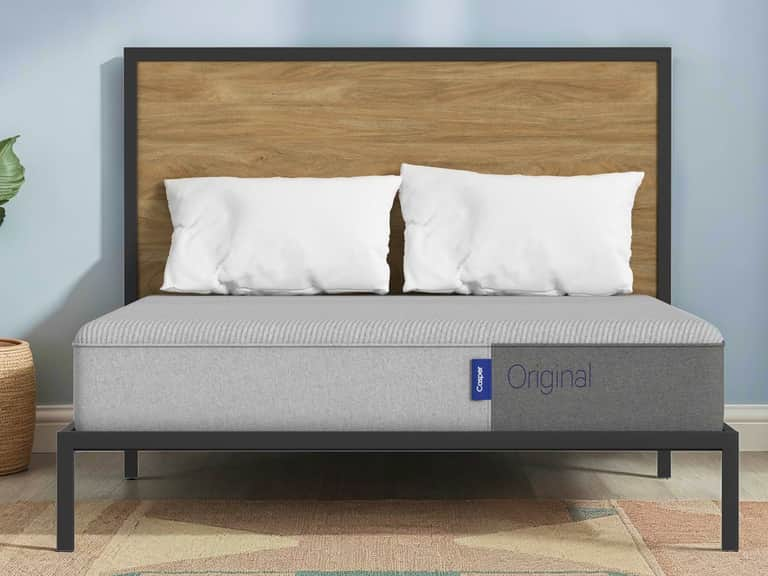
Original Mattress
Sleep cooler and supported all night with breathable Casper foam, plush memory foam, and three-zone Zoned Support that keeps your spine aligned and pressure balanced from top to base.
Foam mattresses offer a balanced combination of contouring support and motion isolation, making them a popular choice for various sleep preferences. They use memory foam or polyurethane foam to conform to body curves, which can alleviate pressure points in the hips, shoulders, and lower back. This category highlights the key features and durability aspects of foam-based bedding options, including compatibility with adjustable frames and compatibility with bedding accessories like bedding, pillows, and sheets.
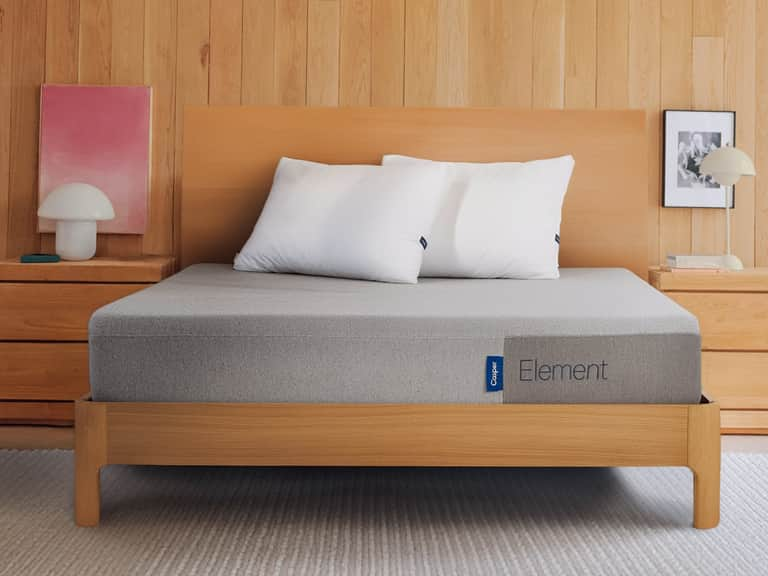
Original Mattress and Element Mattress exemplify different foam technologies and comfort profiles. The Original Mattress emphasizes layered foam for targeted comfort zones and medium-firm support, while the Element Mattress focuses on streamlined foam construction with enhanced breathability. Both options aim to deliver stable spinal alignment and reduce motion transfer, supporting restful sleep across sleepers.
In terms of materials, these foam mattresses typically incorporate memory foam or open-cell foams to improve heat dissipation and airflow. Open-cell structures often reduce overheating, while memory foam layers adapt to sleeping posture for pressure relief. Understanding foam density and layering helps consumers assess durability and long-term comfort.
Key benefits of foam-based beds include noise-free operation, minimal partner disturbance, and straightforward maintenance, such as regular rotation and use with appropriate mattress toppers. The right foam mattress can complement an organic or hypoallergenic sleep environment, particularly when paired with breathable sheets and compatible bedding accessories.
When evaluating foam mattresses like the Original and Element, consider firmness preference, body weight support, and cooling performance. Detailed comparisons of foam layers, edge support, and durability provide insight into suitability for different sleep styles, including back, side, and combination sleepers, across various room setups and bed frames.
Mattresses
 Mattresses